Thought Leadership ➤
Thought Leadership ➤
Thought Leadership ➤
Thought Leadership ➤

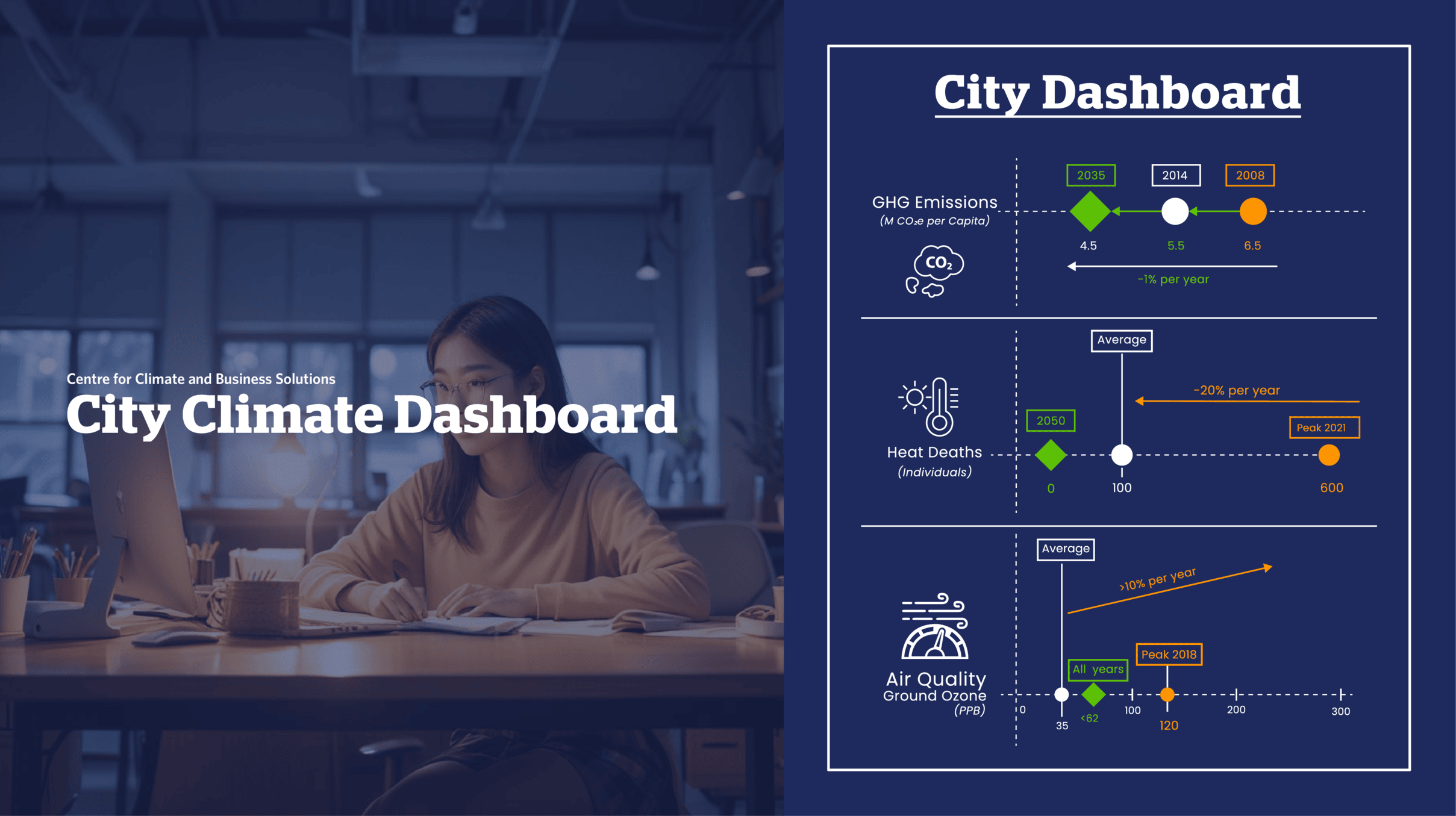
The City Climate Clinic is a groundbreaking initiative designed to teach students how to quantify the financial impacts of climate risks—both physical and transitional—on cities, helping urban areas adapt and mitigate the effects of climate change. The program focuses on identifying the key climate hazards outlined by the IPCC, such as heatwaves, flooding, and sea level rise, and equips students with the tools to assess and model their potential impacts.
Participants will learn to develop methods for quantifying these risks and explore practical solutions through financial modeling. A core component of the program is conducting societal cost-benefit analyses that evaluate various adaptation and mitigation strategies, ensuring that decision-making is inclusive of multiple stakeholders and prioritizes long-term resilience.
As Canada’s first City-focused Climate Clinic, this initiative aims to close the gap between climate action intentions and real-world implementation, particularly in urban settings. It emphasizes building climate literacy, providing intensive training for students, and fostering greener, more sustainable urban growth. By bringing together students, faculty, and city planners, the City Climate Clinic prepares the next generation of climate leaders with the skills to help cities transition to a low-carbon future.
The clinic also offers a valuable platform for cities to better understand their climate risks and opportunities, enabling them to develop strategies that promote sustainable practices, reduce emissions, and enhance their resilience. By focusing on financial impact modeling, the program positions cities to make informed decisions that support both climate goals and long-term economic growth, ensuring urban areas are prepared to face the challenges posed by climate change.
Latest news
Company Information Session: City Climate Clinic
Watch the Webinar: Building a City Climate Financial Model
Students: Sign up for the Climate-Focused Reporting Course to be a part of the clinic
Vancouver joins City Climate Clinic as the first Climate City Partner
Join the next City Climate Cohort (January Intake)
We’re recruiting cities (and students) for the next City climate Cohort. The next cohort begins in January 2025.
Activities will include
The City Climate Clinic is an innovative program that trains students to analyze and compare the financial impact of different solutions to climate hazards affecting urban areas. Through a hands-on approach, participants will follow a structured process that includes:
- Selecting a Relevant Climate Hazard: Students will identify a key climate risk such as flooding, extreme heat, or rising sea levels, focusing on hazards outlined by the IPCC.
- Gathering Climate Data: Participants will obtain and analyze relevant climate data (e.g., temperature increases, precipitation patterns, flood risks) to understand the scope of the threat.
- Reviewing Potential Solutions: Students will explore two different adaptation or mitigation strategies to address the chosen hazard, analyzing each approach in detail.
- Developing a Financial Methodology: They will create a financial framework to assess the costs and benefits associated with each solution, including direct expenses, societal impacts, and long-term sustainability.
- Modeling the Impact: Finally, students will model the financial outcomes of the two solutions, conducting a comparative cost-benefit analysis (CBA) to determine which strategy offers the greatest value for the city.
Benefits
Both students and cities will gain hands-on experience in emissions calculations and learn to navigate the complexities of sustainability reporting. This project has the potential to support ongoing emission management and demonstrate cities’ climate commitments. By participating, cities can expect the following outcomes:
◉ CBA Model for a Specific Hazard: A cost-benefit analysis (CBA) model assessing the financial impacts of a particular climate-related hazard, such as flooding or heatwaves, providing insights for mitigation or adaptation strategies.
◉ Comparison of Approaches: A CBA comparing the costs and benefits of two different strategies for addressing climate risks, helping cities quantify and weigh options for informed decision-making.
◉ ESG and Stakeholder Reporting: Guidance on sharing CBA results with consultants, voters, and stakeholders to enhance transparency and build support for climate actions.
In the future, cities will benefit from continuous access to updated financial methodologies tailored to each hazard and scenario, ensuring they stay informed and prepared for evolving climate risks.
How to Get Involved?
Students
Enrollment in COMMXXXE: Climate City Financial Modeling, which begins in January 2025, is a prerequisite for participation in the City Climate Clinic. This course provides a thorough understanding of climate reporting for businesses of varying sizes. It includes a hands-on project where students collaborate with a City to calculate its carbon footprint.
- COMM XXXE: Climate City Financial Modeling
Space is limited. Indicate your interest in joining the next cohort and exploring other climate clinic opportunities here:
Contact course Instructors:
Rajesh Vijayaraghavan: [email protected]
Daniel Morton: [email protected]
City
The City Climate Clinic offers a unique opportunity for cities interested in advancing their ESG reporting or pursuing sustainability certifications.
Eligible cities should meet the following criteria:
This partnership is ideal for cities looking to assess their baseline carbon footprint and develop strategies to mitigate climate risks, with a focus on cost-benefit analysis of adaptation and mitigation approaches. The program provides essential support for cities to address climate-related challenges and communicate their strategies effectively to stakeholders.
◉ Minimum population of 500,000 residents.
◉ Annual budget of at least $500 million.
◉ Located in Canada, though exceptions may be considered.
◉ Participate in climate mitigation targets including reporting to Climate Disclosure Projects
To express your interests and join our January 2025 cohort, please complete the registration form here:
Contact Executive Director, Centre for Climate and Business Solutions, Kookai Chaimahawong: [email protected]
Resources
Getting Started: City Financial Modeling 101
Understanding the Importance of Financial Modeling in City Climate Risk Management
Financial modeling is crucial for helping cities assess, plan, and allocate resources in response to the growing challenges posed by climate change. By quantifying the economic impacts of climate hazards, cities can make informed decisions about where to invest in mitigation and adaptation efforts. This approach allows for more efficient use of public funds, ensuring that cities are better prepared to protect their infrastructure, economy, and residents from climate risks.
Climate Impact:
A city’s climate impact refers to the range of hazards it faces as a result of climate change, including both immediate and long-term threats. Understanding these impacts is key to developing a financial model that can guide resource allocation.
The main climate hazards cities face include:
- Heatwaves: Rising temperatures lead to increased heat stress, energy demand, and health risks, especially in densely populated urban areas.
- Flooding (Sea-Level Rise): Coastal cities are particularly vulnerable to rising sea levels, which can cause frequent flooding, damage infrastructure, and displace communities.
- Intense Rainfall: Heavier and more unpredictable rain events can lead to flash flooding, overwhelmed drainage systems, and erosion.
- Drought: Prolonged dry periods can stress water supplies, agriculture, and ecosystems, while increasing the risk of wildfires.
Main Scenarios for Forecasting Impact:
To effectively forecast and model the economic impact of these climate hazards, cities can select from several key scenarios:
- Representative Concentration Pathways (RCPs): These are scenarios based on different greenhouse gas concentration trajectories, helping cities anticipate varying levels of warming and their associated impacts.
- Shared Socioeconomic Pathways (SSPs): These scenarios combine climate outcomes with socioeconomic factors, allowing cities to model the economic and social impacts under different levels of climate change and economic development.
- Network for Greening the Financial System (NGFS) Scenarios: These are designed for financial institutions to assess climate-related risks and opportunities, offering cities a way to model transition risks under various climate policies and actions.
- IEA Scenarios: These scenarios, provided by the International Energy Agency, project energy usage and emissions under different policy frameworks, helping cities forecast the financial impact of energy transitions.
By applying these financial models and forecasting scenarios, cities can better understand the potential costs and benefits of various climate strategies, prioritize actions, and safeguard their future resilience.
Steps to Begin City Financial Climate Modeling
Understanding the Basics of Climate Financial Modeling for Cities
Begin by familiarizing yourself with the key elements of financial modeling related to climate impacts. This includes understanding how climate hazards affect city infrastructure, services, and stakeholders, as well as how financial models can be used to guide resource allocation.
1. Select the IPCC Key Hazard:
Identify the primary climate hazard your city faces, such as heatwaves, flooding (sea-level rise), intense rainfall, or drought. This will help focus the analysis on the most relevant threat to city infrastructure and services.
2. Select a Climate Scenario:
Choose a relevant climate scenario, such as an IPCC Representative Concentration Pathway (RCP) or Shared Socioeconomic Pathway (SSP), to forecast how the chosen hazard will evolve over time. This scenario will provide the basis for predicting climate risks and their potential financial impacts.
3. Identify Two Different Solutions:
Select two potential strategies to address the hazard. For example, to mitigate flood risks, you could compare building a new sea wall versus enhancing green infrastructure like wetlands and floodplains.
4. Gather Financial Costs (CAPEX and OPEX):
Collect data on the capital expenditures (CAPEX) and operational expenditures (OPEX) for implementing and maintaining each solution. This includes costs for construction, equipment, labor, and ongoing maintenance over the lifespan of each project.
5. Model the Benefits for City Services:
Analyze how each solution would benefit critical city services, such as police, hospitals, emergency response, transportation, and utilities. For example, consider how each solution reduces the risk of service disruptions or improves resilience during extreme events.
6. Model the Benefits for Residents and Businesses:
Evaluate how each solution will benefit the city’s residents and businesses. This includes factors like reduced property damage, improved public health, business continuity, and enhanced quality of life.
7. Develop a Cost-Benefit Analysis Method:
Create a financial framework to quantify and compare the long-term benefits of each solution relative to its costs. This should include both direct financial savings and avoided costs, such as reduced emergency response needs or lower insurance premiums.
8. Quantify the Relative Impact Across Stakeholders:
Determine how each solution impacts different stakeholders—city services, residents, and businesses—and model the overall economic benefits for each group. Include both financial savings and non-monetary benefits, such as improved public safety or environmental health.
9. Compare and Select the Optimal Solution:
Use the cost-benefit analysis to compare the two solutions, highlighting which offers the greatest return on investment and overall benefit for the city. Present this analysis to decision-makers to guide resource allocation and future planning.
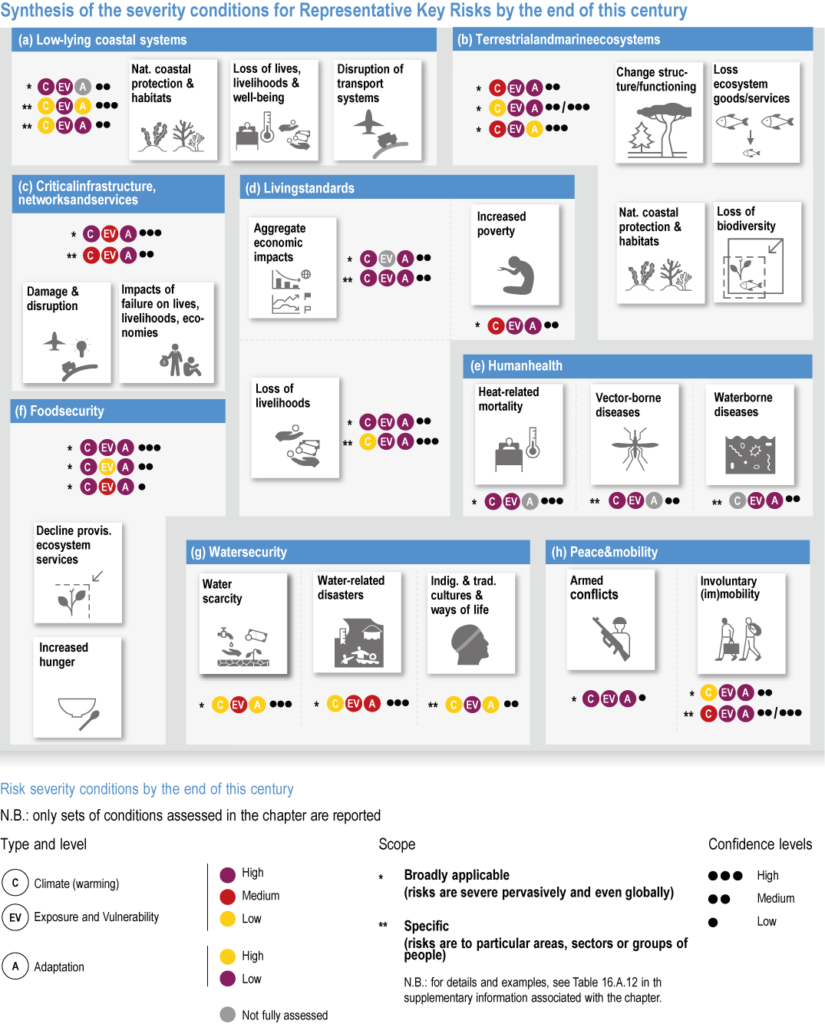
Key Climate Risk Hazards - IPCC
Cost Benefit Analysis (CBA)
Analytical steps in Cost-Benefit Analysis
- Step 1: Establishing the baseline and regulatory scenario(s) if applicable
- Step 2: Identifying, estimating and monetizing the benefits and costs
- Step 3: Comparing benefits and costs
- Step 4: Assessing uncertainty / Sensitivity analysis
- Step 5: Conducting distributional analysis
About the Centre for Climate and Business Solutions
The Centre for Climate and Business Solutions at UBC Sauder School of Business is a dynamic hub for climate-conscious business practices, bridging the gap between ambitious sustainable goals and pragmatic action. With a strong research, innovation, and collaboration foundation, the Centre is uniquely positioned to transform ground-breaking ideas into tangible results and create a climate-positive future. To achieve its ambitious vision, the Centre channels its efforts into three critical pillars of action: Reduction, Adaptation, and Regeneration. These pillars are the foundation for the Centre’s initiatives, guiding businesses and policymakers towards sustainable, impactful solutions.
To learn more, visit the website here.